
The Realistic Portrait Tattoo Process: From Choosing the Photo to the Final Session
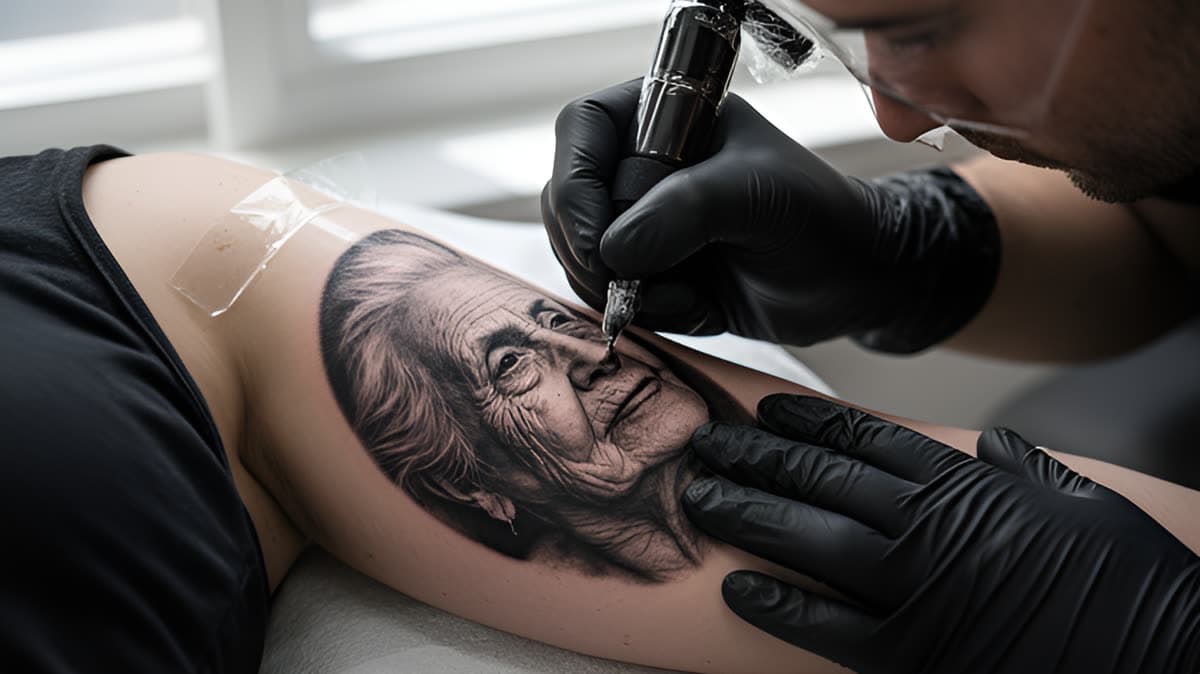
If you want to carry a loved one's face, your pet or an artist you admire on your skin, a realistic portrait tattoo is probably the first style that comes to mind. But portraits are the least forgiving kind of tattoo: if a tiny highlight in the eye or a shadow at the corner of the mouth is in the wrong place, the face simply stops looking like the person. That is why a good portrait starts long before the needle touches the skin, with the right photo and the right plan.
In this guide we walk through the process step by step for anyone considering a realistic portrait tattoo in Kyrenia: from choosing the photo to placement, sessions and healing.
—1. Everything starts with the photo
A portrait tattoo can never be better than its reference photo. An artist cannot invent detail that is not in the picture, and every guessed detail makes the face a little less familiar. A good reference photo has:
- Sharpness: The eyes, nose and mouth should be crisp. Zoomed-in, blurry or heavily compressed phone images do not carry enough detail. If you can, bring the original file rather than a screenshot.
- Light: Soft light from one side reveals shadows and the structure of the face. Flat, shadowless flash photos tend to look "flat" as a tattoo.
- Face size: A small face cropped out of a crowded group photo loses detail when enlarged. Prefer photos where the face fills a large part of the frame.
- Expression: Choose the expression that reminds you most of the person. A slight smile or a characteristic look can mean more than a perfect pose.
It always helps to bring a few candidate photos and decide with the artist which will work best as a tattoo. If you want to use a photo taken by someone else, such as a professional photographer, think about permission to use it beforehand.
—2. The consultation: get expectations clear
For portraits, the consultation is not a formality; it is the most important part of the process. It usually covers:
- Black and grey or colour
- Whether the portrait stands alone or sits in a composition with flowers, a clock, lettering and so on
- Placement on the body and size
- The session plan and appointments
Looking at the artist's previous portraits matters a lot here. Not every tattoo artist does portraits; it is a specialism of its own. Photos of healed portraits tell you more than freshly finished ones. You can see our work in our gallery.
—3. Size and placement: detail needs room to last
The most common mistake with portraits is asking for a face that is too small. When fine details like eyes, lashes and skin texture are squeezed into a small area, they can blur together over the years, because ink naturally spreads slightly in the skin. Your artist will suggest a suitable size for the level of detail you want. Taking that advice seriously keeps the tattoo readable ten years from now.
For placement, flat and wide areas are an advantage:
| Area | Suitability for a portrait |
|---|---|
| Upper arm (outer) | A common choice; flat, wide and easy to cover when needed |
| Calf | A broad surface that keeps facial proportions well |
| Thigh | Plenty of room for large portraits and compositions |
| Back and shoulder blade | The largest area; suits multiple portraits or a full scene |
| Inner forearm | Works for medium-sized portraits |
Joints, ribs and other curved or very mobile areas can distort facial proportions. They are not impossible, but they make planning harder.
—4. Black and grey or colour?
Most realistic portraits are done in black and grey. There are practical reasons for this: black and grey is well suited to building depth and age through tonal gradients, and it tends to age more evenly. Colour portraits can be stunning when done well, but natural-looking skin tones take more skill and colour can be more affected by the sun.
Let the reference photo guide you too: an old black-and-white family photo naturally suits black and grey work.
—5. The sessions: work that takes patience
A realistic portrait often cannot be finished in a single session. The number of sessions depends on the size, the level of detail, how your skin responds and the artist's way of working. Ask your artist for a firm plan at the consultation.
A typical flow looks like this:
- Stencil: The approved design is transferred to the skin. Check the placement in the mirror from different angles; asking for changes at this stage is completely normal.
- Structure and dark areas: Portraits rarely use heavy outlines; the artist usually builds the structure of the face starting from the darkest shadows.
- Tonal transitions: Soft gradients are worked into the cheeks, forehead and neck.
- Details and highlights: Final touches such as eye highlights and strands of hair are usually left to the end.
- Touch-up: Once healing is complete, any areas that came out lighter are filled in. Ask the studio about its touch-up terms in advance.
Your skin needs time to heal between sessions. If you are worried about pain, our guide to managing tattoo pain may help.
—6. Healing and the Cyprus sun
Healing a portrait is no different from healing any other tattoo, but the results show more: fine tonal gradients are the first thing to suffer when aftercare is poor. The basics:
- Follow the studio's aftercare instructions exactly.
- Do not pick or scratch the scabs.
- Stay out of the sun, the sea and swimming pools while it heals.
- Once healed, use a high-protection sunscreen whenever the tattoo is in the sun. The long, strong Cyprus summer sun can fade fine grey tones over time.
For day-by-day aftercare see our tattoo healing guide, and for summer conditions our tattoo care in the Cyprus climate article. If redness spreads, or you have a fever or discharge while healing, see a doctor without delay.
—Frequently Asked Questions
Which photo should I bring for a portrait tattoo?
A sharp, well-lit original photo where the face fills a large part of the frame works best. Bring a few options and choose together with the artist.
Do you do pet portraits too?
Yes. The same rules apply: a sharp photo with clear eyes and visible fur texture directly affects the result.
How many sessions does a portrait tattoo take?
It depends on size and detail; most realistic portraits need more than one session. Ask the studio for a firm plan for your design at the consultation.
Can I get a small portrait?
You can, but the smaller it is, the less detail it can hold and the more readability may drop over time. Your artist will suggest a suitable size for the detail you want.
What determines the price of a portrait tattoo?
Size, detail and the number of sessions. For general information see our tattoo prices in Cyprus article, and ask the studio for a quote for your own design.
—Closing
A realistic portrait is one of the most powerful ways to carry someone you love, or a memory, for life. Good results come from the right photo, enough size, an experienced artist and patient healing. At JBA Cyprus Tattoo & Piercing we are happy to look at your portrait idea and photos with you. For an appointment or consultation, message us on WhatsApp or reach us through our contact page.
The Tattoo Journal
Knowledge Hub
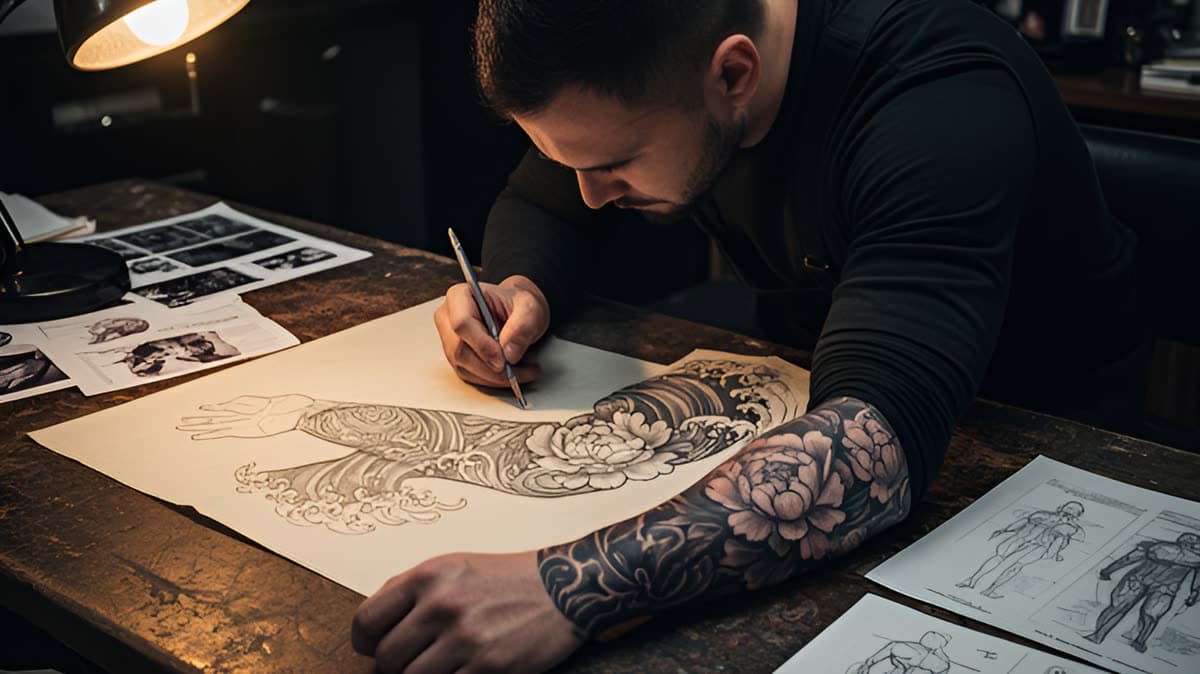
Planning a Sleeve Tattoo: Theme, Flow and Session Plan
For anyone considering a sleeve tattoo in Kyrenia: full, half and quarter sleeves, choosing a theme, flow on the arm, the session plan, budget and healing in the Cyprus summer.
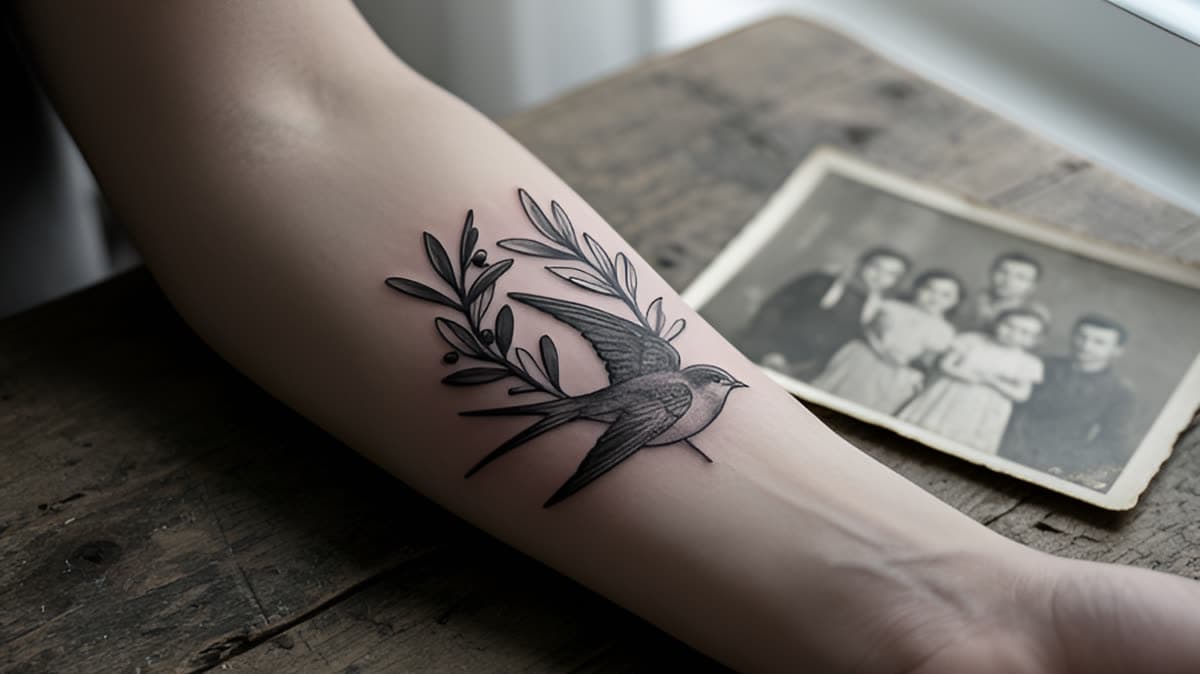
Memorial Tattoos: Carrying a Loss in a Meaningful Way
For anyone considering a memorial tattoo in Kyrenia: name, handwriting, portrait and symbol ideas, taking your time, placement, session day and healing.
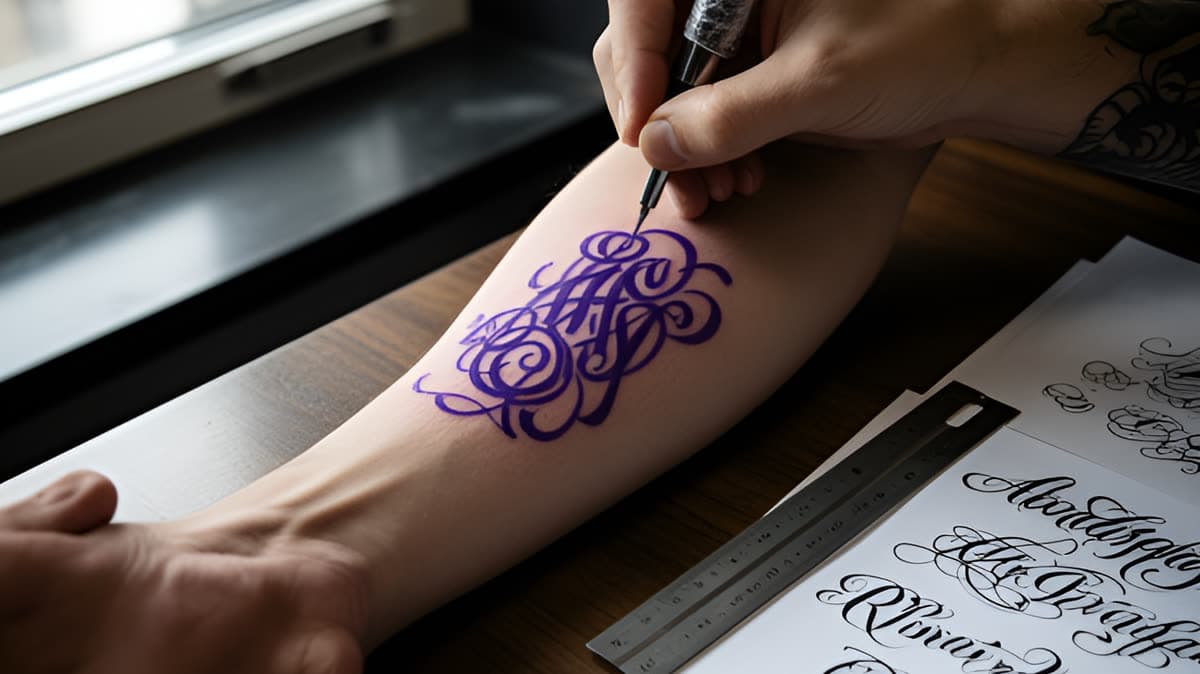
Lettering Tattoos: How to Choose the Font and Size
Before getting a lettering tattoo in Kyrenia: checking the text and spelling, font styles, size and spacing that stay readable, placement and healing tips.
Your Masterpiece Awaits
Secure your session at the Mediterranean's premier tattoo destination. Connect with us on WhatsApp for a professional consultation and booking.
Reserve Your Session