
Tattoo Aftercare in the Cyprus Climate: Navigating Sun, Sea, and Humidity (Authority Guide)
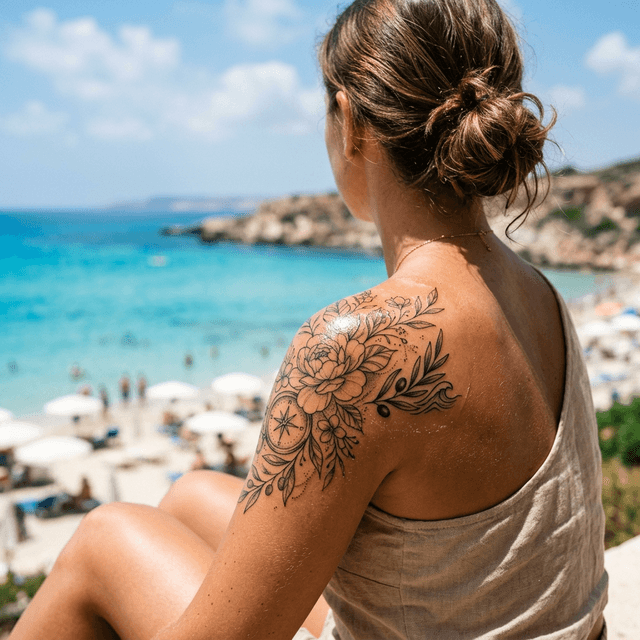
Securing a world-class tattoo in North Cyprus is only the first stage of your artistic journey; the second, and equally critical stage, is the aftercare. In the sub-tropical climate of the Mediterranean—characterized by intense UV radiation, high humidity, and the omnipresence of salt water—standard aftercare protocols must be elevated. From the moment you leave the sterile environment of the studio, your tattoo is a vulnerable dermal window. This guide provides a definitive medical and artistic roadmap to ensuring your ink heals with the clarity and vibrancy it deserves.
—1. UV Radiation: The Silent Corrosive
Cyprus enjoys over 300 days of sunshine annually. For a fresh tattoo, this sunlight is not merely a tanning agent; it acts as a molecular abrasive.
### Photodegradation and Pigment Integrity
Ultraviolet (UV) rays penetrate the epidermis and strike the pigment molecules suspended in the dermis. This energy breaks the chemical bonds of the ink, causing the particles to fragment. Once fragmented, your immune system—specifically macrophages—can successfully transport these smaller particles into the lymphatic system, leading to premature fading, blurring, and "patching." In the intense Cyprus sun, a single day of unprotected exposure during the first week can cause more damage than five years of natural aging.
### The Sunscreen Paradox
A common mistake is applying sunscreen to a fresh tattoo. Do not apply any chemical sunscreens until the dermal layer has fully sealed (typically 14-21 days). The active chemicals in high-SPF lotions can cause chemical burns or severe irritation on compromised skin. During the initial healing phase, your only defense is physical: loose-fitting, high-opacity cotton clothing or remaining in the shade. Post-healing, a broad-spectrum 50+ SPF mineral sunscreen becomes a lifelong requirement for every outdoor excursion.
—2. Aquatic Risks: Sea Water and Chlorine
The Mediterranean lifestyle revolves around the water, but for a healing tattoo, these environments are biologically hazardous.
### Chlorine and Chemical Desiccation
Public and private pools are treated with concentrated chlorine and pH-balancing chemicals. Chlorine is a powerful desiccant that strips the healing skin of its natural oils, leading to excessive scabbing and "ink fallout." Furthermore, public pools are reservoirs for opportunistic bacteria; submerged an open wound in these waters carries a significant risk of staphylococcal infections.
### The Myth of Saline Healing
There is a persistent island myth that "sea water heals wounds." While saline has mild antiseptic properties, the Mediterranean Sea contains micro-plastics, organic debris, and diverse microbial life. Salt also acts as an osmotic agent, drawing moisture out of the wound and potentially causing severe dehydration of the tissue. You must maintain total aquatic abstinence for at least 15 to 21 days post-procedure.
—3. Humidity and Thermoregulation
July and August in Cyprus often see humidity levels exceeding 70%, creating a challenging environment for dermal regeneration.
### Managing "Wet Healing"
Excessive perspiration and environmental humidity can keep the tattooed area perpetually damp. This facilitates "wet healing," where the skin becomes macerated (softened), leading to the rejection of the pigment and creating an ideal medium for bacterial cultures. If you lead an active lifestyle or work outdoors, you must prioritize keeping the area clean and dry through frequent, gentle dabbing with sterile paper towels.
### Botanical and Synthetic Microclimates
Synthetic fabrics like polyester trap heat and moisture against the skin. In the Cyprus heat, we exclusively recommend 100% natural fibers—fine linen or lightweight cotton—which allow for essential gas exchange (breathing) while protecting the art from environmental debris.
—4. Professional Product Selection
The Cyprus pharmaceutical market offers various options, but discernment is required.
### Occlusive Ointments vs. Breathable Lotions
For the initial 48-72 hours, an occlusive barrier (like a high-quality, tattoo-specific petroleum-free balm) is necessary to prevent the wound from drying out. However, as the healing progresses, switching to a lightweight, fragrance-free, water-based lotion is vital. Standard Vaseline or heavy mineral oils are contraindicated as they clog pores and "suffocate" the skin, potentially leading to breakouts and pigment loss.
### Recommended Brands
We recommend vetted industry standards such as Hustle Butter Deluxe, Tattoo Goo, or the boutique natural balms provided by premier studios. These products are formulated to be non-comedogenic and supportive of cellular regeneration.
—5. The Definitive Healing Timeline
- Day 1: Remove the studio-applied barrier as instructed (usually 2-6 hours). Perform the first wash using lukewarm water and a pH-balanced, fragrance-free antibacterial cleanser. Pat dry—never rub—with a fresh paper towel.
- Days 2-5: Apply a minuscule amount of professional balm 3-4 times daily. The skin should never look "greasy," only slightly hydrated. Avoid all direct sun.
- Days 6-14: The "Peeling Phase" begins. The skin will flake and itch intensely. Do not scratch, pick, or peel. This is the stage where most "user-error" damage occurs. Lightly tap the area to alleviate itching.
- Day 15+: The skin enters the "Silver Skin" phase, appearing slightly shiny or hazy. You may resume light swimming, provided you apply 50+ SPF protection immediately upon exiting the water.
—6. Clinical Indicators for Concern
While some redness and swelling are expected, you must seek professional advice if you observe:
- Persistent inflammation or localized heat beyond 72 hours.
- Purulent discharge (pus) that is yellow or green, or an offensive odor.
- Fever or flu-like symptoms (signs of systemic infection).
- Red streaks radiating from the tattoo site toward the heart.
—7. Conclusion: Respect the Craft
The climate of Cyprus is as challenging as it is beautiful. By following these rigorous protocols, you are protecting a permanent investment. The care you exhibit in the first thirty days determines the legacy of the art you will carry for the next fifty years. Treat your tattoo with the same respect with which it was created.
The Tattoo Journal
Knowledge Hub
Skin Health in Tattoo Art: Cyprus Tattoo Ink's Approach
Learn how to protect your skin health when getting a tattoo and about Cyprus Tattoo Ink's expertise in this area. Hygiene standards, proper care, and more.

Skin Health in Tattoo Art: The Approach of Cyprus Tattoo Ink
The importance of protecting your skin health when getting a tattoo. Hygiene standards and skincare recommendations from Cyprus Tattoo Ink.
Skin Health in Tattoo Art: Care Routines for Lasting Beauty
Learn how to protect your skin health before, during, and after getting a tattoo. Maintain the beauty of your tattoo for years with expert advice from Cyprus Tattoo Ink.
Your Masterpiece Awaits
Secure your session at the Mediterranean's premier tattoo destination. Connect with us on WhatsApp for a professional consultation and booking.
Reserve Your Session