
Advanced Pain Management in Tattooing: A Clinical and Psychological Analysis (The Collector's Guide)

For many prospective collectors, particularly those approaching their inaugural session, the "sensory threshold"—colloquially known as tattoo pain—is the primary source of apprehension. Questions regarding endurance, "topical interference" (numbing creams), and the physiological reality of the process are entirely valid. The reality is that while tattooing involves a degree of discomfort, it is a highly manageable, technically predictable, and for some, even a meditatively transformative experience. In this authoritative analysis, we examine the biology of dermal sensation, the anatomical "pain map," and the professional protocols utilized to optimize your comfort during an 1500+ word deep dive.
—1. The Biology of Dermal Sensation: Mechanism vs. Perception
The tattoo needle is not a single point of penetration but rather a precision instrument consisting of grouped micro-needles designed to deposit pigment into the dermal layer (the layer beneath the epidermis).
### Neural Pathways and Endorphin Cascades
Upon contact, the central nervous system identifies the procedure as a minor localized trauma, triggering an immediate release of endorphins and adrenaline. Most collectors observe that after the initial 15 to 20 minutes of a session, the intensity of the sensation diminishes, replaced by a dull, localized pressure or "prickle." This is the body’s natural analgesic response. Understanding that pain is merely a biological signal allows the collector to manage the experience intellectually rather than reactively.
—2. The Anatomical Pain Matrix: A Topographical Analysis
While individual neurological profiles vary, human anatomy follows a predictable map of sensitivity based on nerve density and subcutaneous padding.
### High-Flesh/Low-Sensitivity (The "Green Zone")
Muscular or fatty regions with thicker dermal tissue—such as the lateral arms (biceps/triceps), outer thighs, and shoulders—are universally recognized as the least painful sites. These are the optimal placements for first-time collectors.
### Transitional Sensitivity (The "Yellow Zone")
The upper back, forearms, and the anterior aspects of the legs offer moderate sensitivity, generally easily managed through standard breathing techniques.
### High-Sensitivity/Structural Landmarks (The "Red Zone")
Regions where bone resides immediately beneath the epidermis (ribs, shins, elbows, kneecaps) or areas with a high density of nerve endings (palms, soles of the feet, axilla, and groin) represent the most challenging dermal canvases. Commissioning art for these areas requires a high degree of psychological fortitude and technical patience.
—3. Topical Anesthetics: The Realities of Chemical Intervention
While the rise of over-the-counter numbing creams (typically lidocaine/prilocaine formulations) offers an enticing promise of a "painless" session, the clinical implications must be carefully weighed.
### The Benefits of Pre-Treatment
For individuals with genuine needle phobia, topical anesthetics can provide the psychological bridge necessary to undergo the procedure, initiating the session in a state of calm.
### Why Elite Artists Often Advise Against It
1. Dermal Alteration: Many topical agents cause the skin to become "rubbery" or edematous (swollen). This significantly compromises the artist's ability to deposit ink with precision, potentially leading to a "muddy" or less refined healed result.
2. The "Adrenaline Crash": The effect of numbing agents typically terminates abruptly after 60 to 90 minutes. When the sensation returns, the body is often overwhelmed by the sudden onset of pain, leading to "session fatigue" and the potential need to terminate the procedure prematurely.
3. Biological Interference: Chemical pre-treatments can cause localized allergic reactions or interfere with the specialized inflammatory response required for optimal healing.
Clinicial Mandate: If you intend to utilize a topical anesthetic, it is imperative to consult your senior artist prior to the appointment. Unauthorized use can lead to immediate cancellation of your session for safety and quality reasons.
—4. Pre-Appointment Protocols: The Foundation of Endurance
Your physiological state at the time of the appointment determines approximately 50% of your perceived discomfort.
### Circadian Optimization
A sleep-deprived body is in a state of heightened "central sensitization." This lowers your neurological pain threshold significantly. We mandate a minimum of 8 hours of restorative sleep prior to any significant session.
### Biochemical Balance (Hydration and Glucose)
Dehydrated dermis is less resilient and more prone to irritation. Begin a rigorous hydration protocol 24 hours prior to your session. Furthermore, never attend a long session on an empty stomach; maintaining stable blood glucose levels is critical to preventing vasovagal syncope (fainting).
### The Alcohol and Thinner Restriction
Abstain from alcohol for at least 24 hours prior to your appointment. Alcohol is a systemic vasodilator and an anticoagulant; it increases interstitial bleeding, which "washes out" the pigment during the process, leading to loss of saturation and poor long-term retention.
—5. Psychological Mitigation Techniques
### Respiratory Control
Conscious, rhythmic breathing is the most effective way to deactivate the "fight or flight" response. We recommend the "Box Breathing" method (4-second inhale, 4-second hold, 4-second exhale) to keep the parasympathetic nervous system engaged.
### Cognitive Distraction
Utilizing high-fidelity audio (music or podcasts) or engaging in focused conversation with your artist effectively "overloads" the neural pathways, reducing the brain's capacity to focus on localized pain signals.
—6. The "Tattoo Flu" and Systemic Recovery
Sessions exceeding 6 hours are a significant physiological marathon for the human body.
### Strategic Intermissions
Communicate transparently with your artist. Brief intermissions for hydration or a glucose boost are essential for maintaining your stamina and the artist's focus.
### The Post-Procedure Systemic Response
Following a major session, you may experience fatigue, localized shivering, or a low-grade fever. Known within the industry as "Tattoo Flu," this is a normal response to the withdrawal of adrenalin and endorphins. Rest, intensive hydration, and a clean nutritional intake are essential for the initial 24 hours of recovery.
—7. Conclusion: The Valor of the Collector
Ultimately, tattooing is a ritual of endurance and intentionality. The sensory experience is the "biological price" paid for the acquisition of permanent art. With rigorous preparation, a collaborative relationship with a senior artist, and an elite psychological framework, the process becomes not a trial, but a badge of personal evolution.
Remember: Physical sensation is ephemeral, but the empowerment and aesthetic mastery of a well-executed tattoo is a legacy that remains for a lifetime. You possess the innate capacity to endure; the art is the reward.
The Tattoo Journal
Knowledge Hub
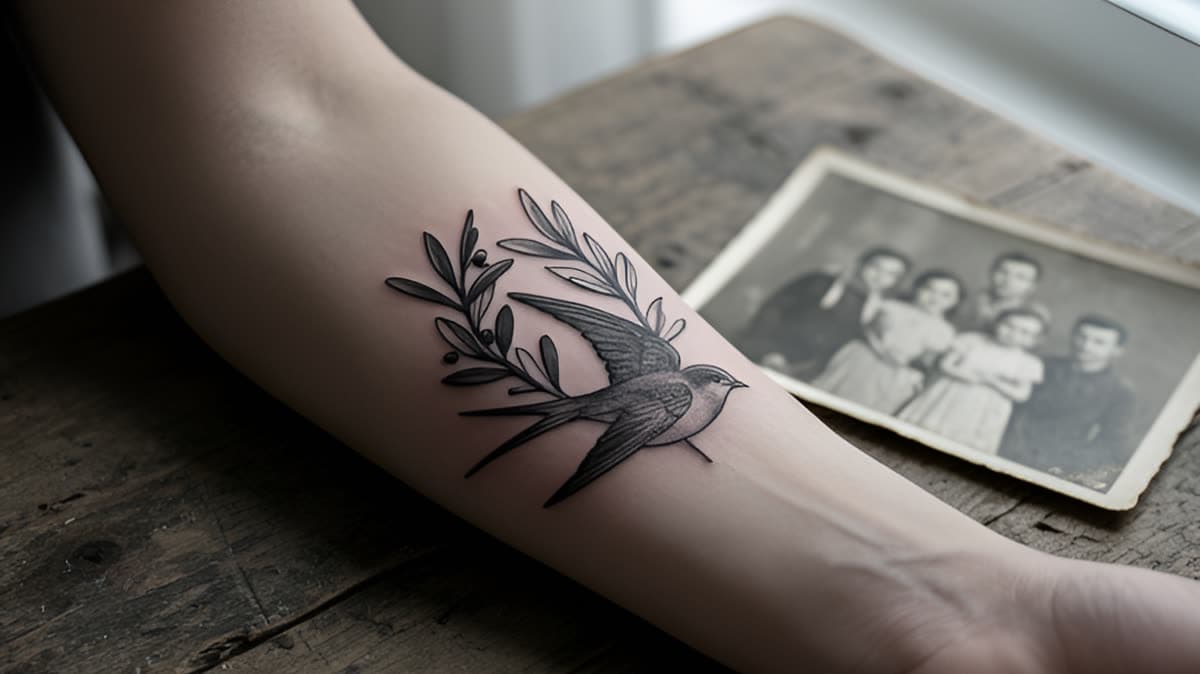
Memorial Tattoos: Carrying a Loss in a Meaningful Way
For anyone considering a memorial tattoo in Kyrenia: name, handwriting, portrait and symbol ideas, taking your time, placement, session day and healing.
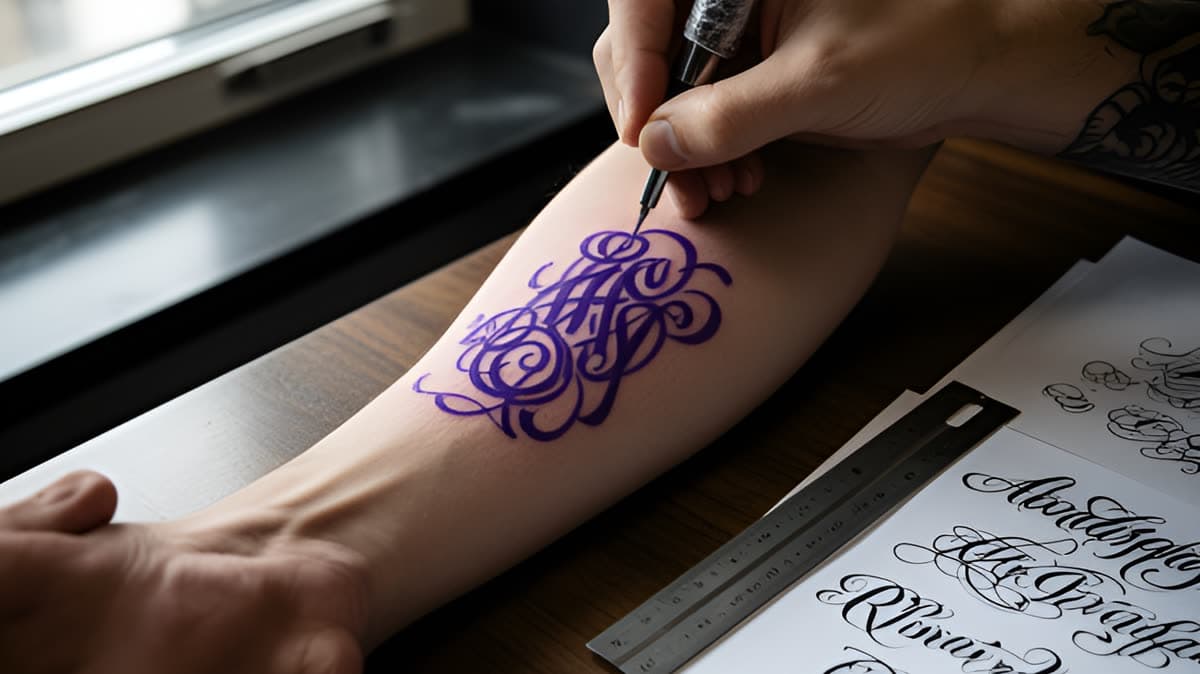
Lettering Tattoos: How to Choose the Font and Size
Before getting a lettering tattoo in Kyrenia: checking the text and spelling, font styles, size and spacing that stay readable, placement and healing tips.

Tattoo Art Portfolio Analysis: A Cyprus Tattoo Ink Guide
How to analyze a tattoo artist's portfolio? As Cyprus Tattoo Ink, find the best tattoo artist with our portfolio review guide.
Your Masterpiece Awaits
Secure your session at the Mediterranean's premier tattoo destination. Connect with us on WhatsApp for a professional consultation and booking.
Reserve Your Session