
Tattoo Healing Process: Hour-by-Hour and Day-by-Day Care Calendar (Authority Guide)
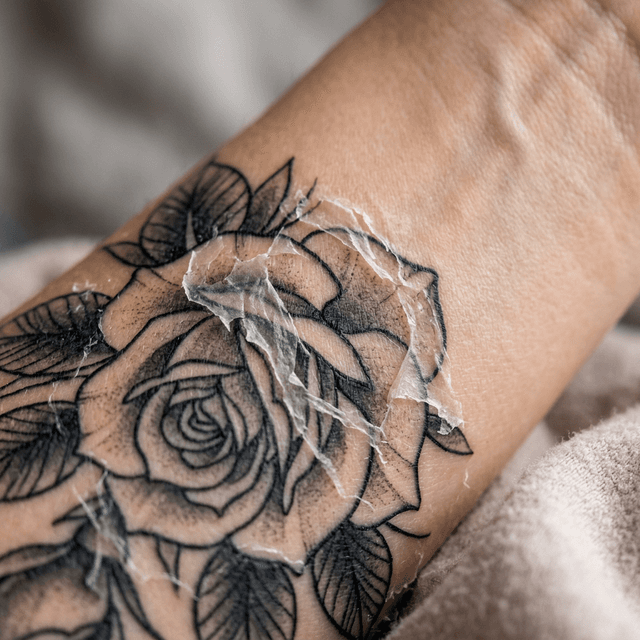
Commissioning a world-class tattoo is more than a mere aesthetic choice; it is a profound biological transition for your skin—the body's largest organ. When your artist completes their work, only 50% of the masterpiece is finished; the remaining 50% is determined by your adherence to clinical protocols and your body’s unique regenerative capacity. This definitive guide examines the hour-by-hour and day-by-day trajectory of dermal healing, detailing the physiological transformations and the non-negotiable rules for ensuring your art reaches its full potential.
—1. Phase 1: The Acute Inflammatory Response (0 - 48 Hours)
Tattooing involves the rapid introduction of pigment into the dermal layer, triggering an immediate "Acute Trauma" response from your immune system.
### The Initial Protective Barrier (0 - 4 Hours)
Upon exiting the studio, your tattoo is shielded by a medical-grade film or sterile bandage. This acts as a temporary synthetic epidermis, protecting the vulnerability of the site from environmental contaminants. Do not remove this barrier until the specific timestamp provided by your artist (typically 2-4 hours).
### The First Cleansing Ritual
This is a critical juncture. Never subject a fresh tattoo to high-pressure running water. Instead, create a gentle foam using a pH-balanced, fragrance-free antibacterial cleanser. With sanitized hands, delicately massage the area to remove surface plasma, interstitial fluid, and excess pigment. Pat dry with a single-use sterile paper towel; do not oscillate or rub.
### Edema and Localized Thermogenesis
During the first 24 hours, localized swelling (edema) and a sensation of heat (thermogenesis) are expected. This is evidence of your immune system’s "First Responder" cells arriving to initiate the repair process.
—2. Phase 2: Dermal Consolidation (Days 3 - 6)
In this stage, the tattoo loses its initial luster as the body works to seal the dermal surface.
### Opacity and the Regeneration Shield
The colors appear temporarily dull as the uppermost layer of the skin (the epidermis) begins to shed dead cells and reorganize into a protective barrier. This is not a loss of pigment, but the formation of a natural regenerative shield.
### Precision Hydration
As the skin begins to tighten, hydration is paramount. Apply a minuscule, transparent layer of professional tattoo balm 3-4 times daily. Avoid "Over-Hydration," which can lead to "Babbling" (pigment bubbles) and compromise the clarity of the lines. The skin should look hydrated, not greasy.
—3. Phase 3: The Desquamation and Pruritus Phase (Days 7 - 14)
Often called the "Itching Storm," this is the phase where the most common user-errors occur.
### The Dermal Shedding Effect
Your tattoo will start to peel in fine, pigment-laden flakes, resembling the shedding after a sunburn. It is vital to understand that this is the epidermal waste. The actual art is safely suspended within the underlying dermis.
### The Golden Proscription: Zero Intervention
The absolute law of tattooing: Never scratch, pick, or manually assist the peeling process. Prematurely removing a flake can "hook" the pigment from the dermis, leading to permanent gaps and localized scarring. When the pruritus (itching) becomes intense, lightly tap the area or apply a cooling layer of moisturizer.
—4. Phase 4: Epithelial Maturation (Days 15 - 30)
While the site appears superficially healed, the biochemical integration of the pigment continues below the surface.
### "Silver Skin" and Haze
A thin, reflective, and slightly translucent layer—known as "Silver Skin"—will form over the art. This newly formed epithelial tissue may cause the tattoo to look slightly hazy or out of focus. This is temporary; as the tissue thickens and matures, the vibrant contrast will return.
### Gradual Lifestyle Re-Integration
By the end of the second week, you may slowly begin to reintegrate activities like swimming or intense exercise, provided you have received explicit confirmation from your artist based on your individual healing progress.
—5. Phase 5: Complete Biological Integration (Months 1 - 3)
The pigment is now structurally unified with your anatomy, captured and stabilized by macrophages.
### The Long-Term Protection Mandate
Now that the skin is fully structural, your lifelong commitment to 50+ SPF mineral sunscreen begins. Photodegradation from UV rays is the primary cause of tattoo aging; protecting your art from the sun is as vital as the initial procedure.
—Variables Optimizing the Healing Trajectory
- Systemic Hydration: Internal cellular hydration accelerates dermal repair.
- Nutritional Support: Ensure high intake of Vitamin C and Zinc to facilitate collagen synthesis.
- Sleep Quality: Dermal regeneration is most aggressive during deep REM sleep. Avoid applying direct pressure to the tattoo area during rest.
- Alcohol Avoidance: Limit alcohol consumption for the first 72 hours, as it can act as a systemic vasodilator and prolong the inflammatory phase.
—Clinical Red Flags
While minor discomfort is normal, seek immediate professional or medical counsel if you experience:
- Localized heat and severe inflammation lasting beyond 96 hours.
- Purulent exudate (yellow or green discharge) or an unconventional odor.
- Erythematous lines (red streaks) radiating from the site.
- Systemic fever or chills.
—Conclusion: The Discipline of Art
Exceptional tattoo healing is a discipline, not an accident. By respecting the biological timeline and maintaining clinical hygiene, you are ensuring that your investment becomes a lifelong legacy of vibrant, sharp, and sophisticated art. Treat your skin with the reverence it deserves for the masterpiece it now carries.
The Tattoo Journal
Knowledge Hub
Skin Health in Tattoo Art: Cyprus Tattoo Ink's Approach
Learn how to protect your skin health when getting a tattoo and about Cyprus Tattoo Ink's expertise in this area. Hygiene standards, proper care, and more.

Skin Health in Tattoo Art: The Approach of Cyprus Tattoo Ink
The importance of protecting your skin health when getting a tattoo. Hygiene standards and skincare recommendations from Cyprus Tattoo Ink.
Skin Health in Tattoo Art: Care Routines for Lasting Beauty
Learn how to protect your skin health before, during, and after getting a tattoo. Maintain the beauty of your tattoo for years with expert advice from Cyprus Tattoo Ink.
Your Masterpiece Awaits
Secure your session at the Mediterranean's premier tattoo destination. Connect with us on WhatsApp for a professional consultation and booking.
Reserve Your Session