Piercing Infection or Normal Healing? Signs and When to See a Doctor
In the first days after a new piercing, a little redness and tenderness worries most people: "Is it infected?" Most of the time the answer is no; the body is simply healing a small wound. Some signs, however, really do point to an infection and mean you should see a doctor without waiting.
In this guide we explain what normal healing looks like, which signs set an infection apart, and what to watch for after getting pierced in Kyrenia. This article is general information; if in doubt, always see a doctor.
—What does normal healing look like?
A piercing creates a small open wound in the skin and sometimes the cartilage. In the first weeks of healing, these are usually normal:
- Mild redness and swelling: most noticeable in the first few days, then slowly fading.
- Tenderness and a mild ache: felt when you touch the area or the jewellery moves.
- Clear or whitish-yellow fluid: this is usually lymph, not pus. It dries into a thin crust around the jewellery.
- Itching: common while the tissue repairs itself.
If these signs are getting smaller over time, the piercing is on track. Soft tissue such as the earlobe usually heals within a few weeks, while cartilage piercings take months. Even when the outside looks fine, the channel inside takes longer to mature.
—What sets an infection apart?
With an infection the signs get worse instead of better, or a piercing that was going well suddenly takes a turn. Watch for:
- Pain, throbbing and swelling that increase over the days
- Redness spreading outwards from the piercing
- The area feeling noticeably hot
- Thick yellow, green or foul-smelling discharge (pus)
- Red streaks running from the piercing into the surrounding skin
- Fever, chills or feeling generally unwell
The last two can mean the infection is spreading and need urgent medical attention.
—Irritation and allergy: what gets mistaken for infection
Not every troublesome piercing is infected. Two conditions are often confused with infection:
Irritation: constant touching, twisting, snagging on clothes, pressure from a phone or pillow, over-cleaning or harsh products can all irritate a piercing. A small red bump (an irritation bump) may appear next to it. It usually settles once the cause is removed.
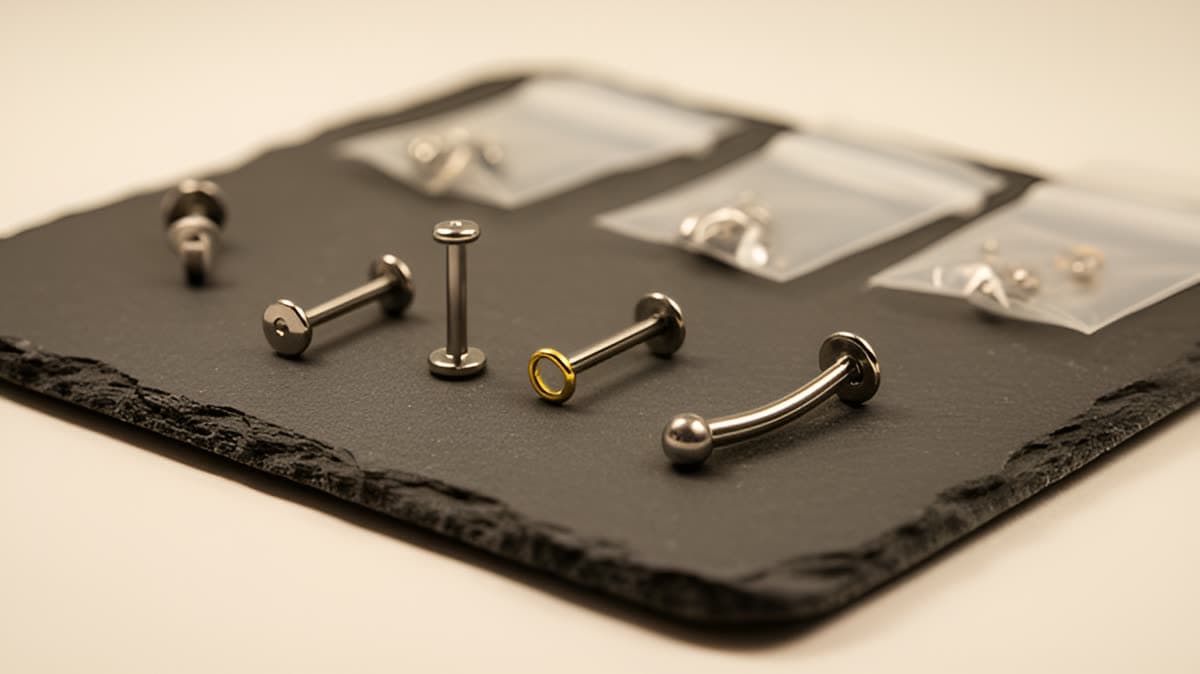
Metal allergy: jewellery containing nickel in particular can cause itching, redness and weeping, and can slow healing. The fix is often switching to a suitable material such as implant-grade titanium. Read more in our guide to piercing jewellery materials.
Irritation and allergy usually don't come with fever, spreading redness or thick, foul-smelling discharge. If you're not sure, don't diagnose yourself; show it to your piercer or a doctor.
—What to do if you suspect an infection
- Don't take the jewellery out yourself. If the hole closes, the infection can be trapped inside. Let your doctor decide whether the jewellery should come out.
- Wash your hands before touching the area and don't twist the jewellery.
- Clean gently with sterile saline; don't start using alcohol, hydrogen peroxide or creams on your own.
- See a doctor if things don't improve within a day or two, or get worse. Don't wait if you have a fever, red streaks or rapidly spreading redness.
- Take extra care with cartilage piercings. Infections of the upper ear cartilage (helix, conch and so on) can be more serious; see a doctor promptly if pain and swelling increase.
Only a doctor can decide whether you need antibiotics. Don't try over-the-counter medicines or home remedies.
—How to lower the risk of infection
- Get pierced with a sterile, single-use needle at a studio that follows hygiene rules.
- Make sure your first jewellery is a suitable material (for example implant-grade titanium).
- Clean once or twice a day with sterile saline, then pat dry with clean gauze.
- Don't touch it with dirty hands, don't twist it, and don't change the jewellery early.
- The Cyprus summer is tempting, but stay out of the sea, pools and hot tubs in the first weeks.
- Change your pillowcase often and try not to sleep on the piercing.
For the whole first-piercing process, see our first piercing guide for Northern Cyprus.
—Frequently Asked Questions
Is yellowish fluid from my piercing an infection?
Not always. Clear or light yellow fluid that dries into a crust is usually lymph and part of healing. Thick yellow, green or foul-smelling discharge can be a sign of infection.
How long does the redness last?
Mild redness is normal in the first days and fades over time. If it increases or spreads as the days go on, have it checked by a doctor.
Should I remove the jewellery if I think it's infected?
No, don't remove it yourself. If the hole closes, the infection can be trapped inside. Ask your doctor.
What is the small bump next to my piercing?
Most often it's an irritation bump. Cutting down on touching and pressure usually helps. If it grows, hurts or discharges, show it to your piercer or a doctor.
When can I swim in the sea?
It's best to avoid the sea, pools and hot tubs in the first weeks. The exact time depends on the placement and how it heals; ask your studio.
—Conclusion
Mild redness, swelling and clear discharge are usually part of normal healing. Increasing pain, spreading redness, thick or foul-smelling discharge, red streaks or fever are reasons to see a doctor. Don't take the jewellery out yourself, and get professional help if you're unsure.
If you were pierced at JBA Cyprus Tattoo & Piercing and something worries you while it heals, message us on WhatsApp or drop by our studio in Kyrenia and we'll take a look together. For our address and opening hours, visit our contact page.
The Tattoo Journal
Knowledge Hub
Nose Piercing Aftercare and Healing Timeline: Nostril and Septum
The difference between nostril and septum piercings, typical healing times, daily aftercare steps and what to watch out for with sea, sun and sweat in Cyprus.
Piercing Jewellery Materials: Implant-Grade Titanium, Surgical Steel, Gold — Why It Matters
Which jewellery for a new piercing? Implant-grade titanium (ASTM F136), surgical steel, solid gold, niobium and materials to avoid — a guide to nickel allergy and choosing jewellery in Kyrenia.
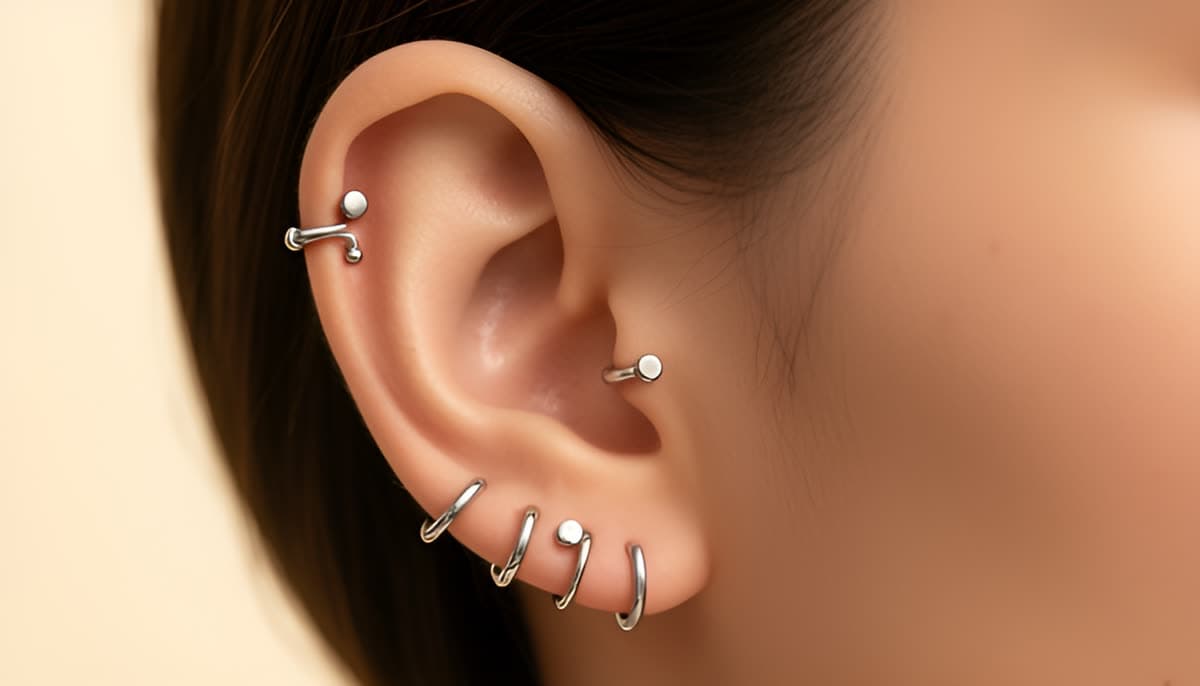
Ear Piercing Types: Lobe, Helix, Tragus, Conch, Daith — Which One Suits You?
A guide to ear piercings in Kyrenia: lobe, helix, tragus, conch, daith, rook and industrial — healing times, who each suits and popular combinations.
Your Masterpiece Awaits
Secure your session at the Mediterranean's premier tattoo destination. Connect with us on WhatsApp for a professional consultation and booking.
Reserve Your Session