
Summer Artistry in Cyprus: Navigating High Temperatures, Sea, and Solar Defense
The summer season in North Cyprus is defined by ambient temperatures exceeding 40°C, high-salinity maritime environments, and intense solar radiation. For many, a tattoo serves as the definitive souvenir of their Mediterranean journey; however, navigating the conflict between "summer myths" and the reality of dermal healing requires expert guidance. While commissioning artwork during the summer is technically viable, the East Mediterranean climate necessitates a near-clinical level of post-procedural discipline. In this technical guide, we analyze the logistics of summer sessions, strategies for neutralizing solar and maritime threats, and methodologies for optimizing dermal regeneration.
—1. Thermal Stress and Hyperhidrosis: The Invisible Dermal Adversaries
The micro-trauma site created during a session requires a strictly sanitized, dry environment for optimal fibrin formation and pigment stabilization.
### Hyperhidrosis and Infection Prophylaxis
In the high-humidity or extreme thermal conditions of North Cyprus, hyperhidrosis (excessive sweating) is a biological certainty. Sweat contains systemic salts, metabolic waste, and surface bacteria. Prolonged exposure of a fresh commission to sweat can facilitate bacterial infiltration of the open dermis, leading to pyogenic infections. Collectors must engage in frequent, gentle cleansing of the procedural area to prevent metabolite accumulation during peak heat hours.
### Functional Textile Selection (Clothing)
During the summer healing arc, prioritize high-breathability, organic textiles such as loose-fitting cotton or linen. Synthetic fabrics (polyester, nylon) or restrictive compression garments inhibit dermal respiration and exacerbate friction-based trauma, compromising the structural integrity of the artwork.
—2. Nautical and Aquatic Restrictions: The 15-Day Mandate
This is the primary constraint for Mediterranean travelers, yet it is technically non-negotiable.
### The 15-Day Prohibition
Avoiding immersion in seawater or swimming pools for a minimum of 14-15 days is mandatory. Despite the theoretical "purifying" perception of salt water, marine environments host complex bacterial ecosystems capable of compromising a healing dermis. Furthermore, chlorinated pool water acts as a chemical oxidant, which can degrade fresh pigment and cause acute tissue irritation. Strategically schedule your commission for the final 48 hours of your Cyprus itinerary to maximize your maritime activities prior to the session.
—3. Solar Radiation and UV Photodegradation
High-intensity UV radiation acts as a biological laser, systematically degrading the chemical bonds of un-stabilized pigment.
### The Sunscreen Contraindication
A critical technical error is the application of SPF products to a fresh or scabbing commission. Topical sunscreens are clinically contraindicated during the acute healing phase. The chemical compounds within SPF formulations can disrupt tissue regeneration. UV protection must be achieved through strictly physical barriers: loose textiles, parasols, or strategic shade. Post-stabilization (3-4 weeks post-session), the consistent use of high-factor SPF is essential for long-term color conservation.
—4. Calibrating Hydration: The "Minimalist" Summer Approach
While epidermal dehydration necessitates intensive moisturizing in winter, the Cypriot summer requires a more calibrated approach.
### Fluidity and Epidermal Suffocation
Given the ambient humidity and thermal load, over-application of lipid-heavy aftercare creams can lead to "dermal suffocation." This manifests as localized follicular inflammation or "tattoo acne." During the peak summer cycle, apply only a micro-layer of moisture—just enough to ensure the dermis remains elastic without creating an anaerobic environment.
—5. Nocturnal Sessions and Climate Control Optimization
Premier Cyprus studios often recommend evening procedural sessions to enhance collector comfort.
### The Post-Procedural Cooling Arc
Resting in a climate-controlled, temperate environment post-session stabilizes the body’s core temperature and decelerates the initial 24-hour plasma exudation (ink "weeping"). However, ensure that HVAC units are not directed onto the procedural site, as direct, forced-air cooling can cause excessive epidermal desiccation (drying).
—6. Strategic Design Selection for Peak Summer
If your commission is finalized during the peak thermal cycle, consider the following technical optimizations:
- Minimalist Scaling: Smaller, less trauma-intensive designs exhibit significantly faster regeneration cycles (typically 7-10 days).
- Precision Linework: High-precision linework causes less macroscopic tissue trauma than large-scale solid saturation, facilitating a more rapid stabilization of the dermis.
—10. Conclusion: Sustaining Artistic Integrity within the Mediterranean Summer
Acquiring world-class body art in North Cyprus during the summer is not merely possible; it is an exercise in technical discipline. By adhering to these clinical protocols regarding solar defense and maritime restrictions, you preserve the lifelong integrity of your commission.
We invite you to explore our network of state-of-the-art, climate-controlled studios designed for peak-summer comfort. Secure your appointment today and carry the definitive aesthetic of Cyprus with you forever.
Remember: a masterpiece is forever, while the summer conservation phase lasts only 15 days. Manage this critical window with technical rigor to ensure a lifetime of aesthetic perfection.
The Tattoo Journal
Knowledge Hub
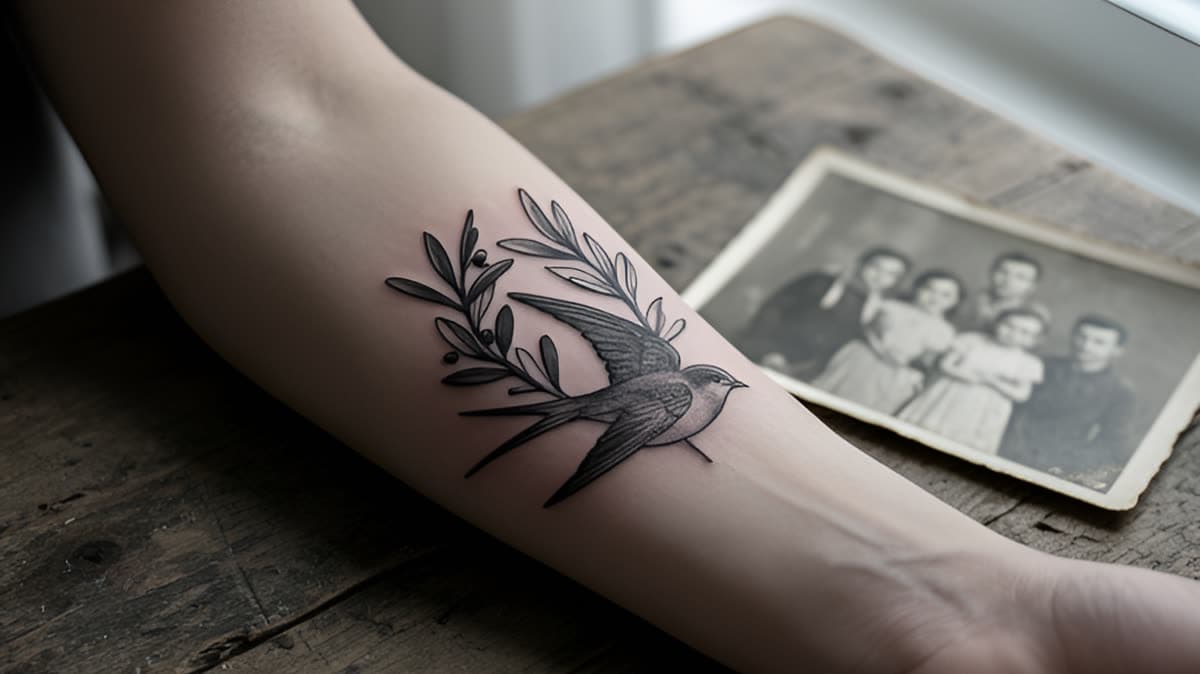
Memorial Tattoos: Carrying a Loss in a Meaningful Way
For anyone considering a memorial tattoo in Kyrenia: name, handwriting, portrait and symbol ideas, taking your time, placement, session day and healing.
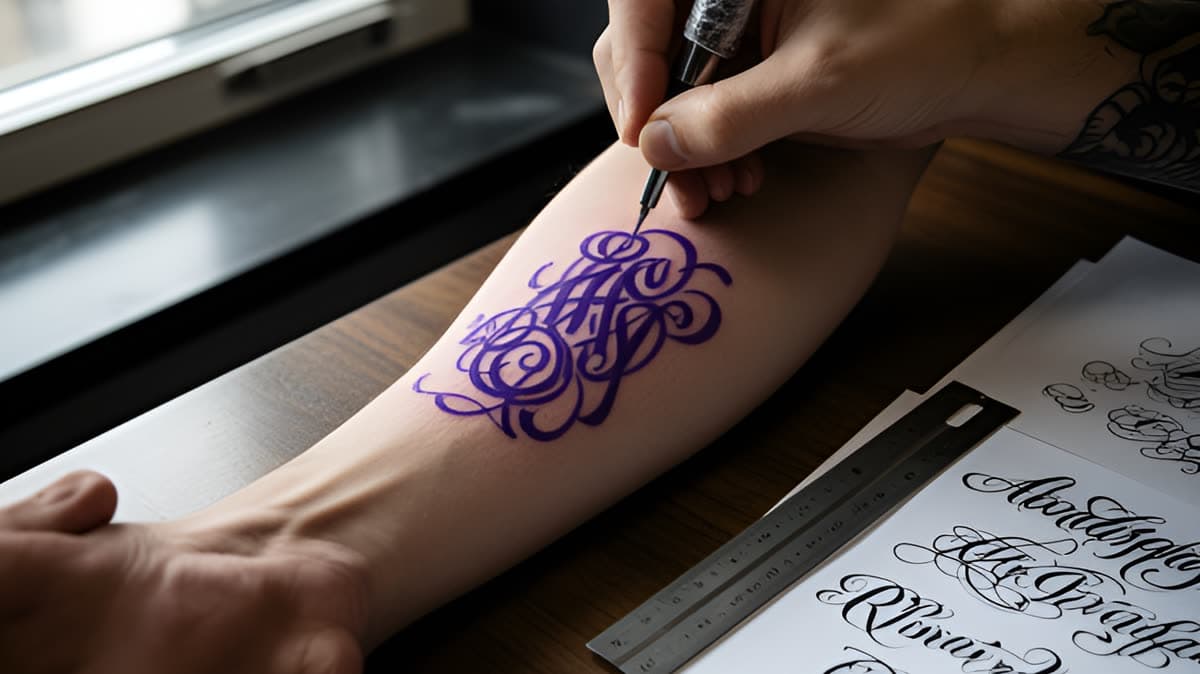
Lettering Tattoos: How to Choose the Font and Size
Before getting a lettering tattoo in Kyrenia: checking the text and spelling, font styles, size and spacing that stay readable, placement and healing tips.

Tattoo Art Portfolio Analysis: A Cyprus Tattoo Ink Guide
How to analyze a tattoo artist's portfolio? As Cyprus Tattoo Ink, find the best tattoo artist with our portfolio review guide.
Your Masterpiece Awaits
Secure your session at the Mediterranean's premier tattoo destination. Connect with us on WhatsApp for a professional consultation and booking.
Reserve Your Session