
The Pre-Session Protocols: 7 Critical Errors in Post-Commission Preparation
The definitive quality of a commission is dictated not only by the artisan’s technical prowess but also by the physiological state of the biological "canvas"—the collector’s skin and systemic health. While many focus exclusively on design aesthetics until the day of the appointment, the physiological variables of the preceding 24 hours can influence the procedural outcome by as much as 50%. In this exhaustive authority guide, we analyze the critical errors to avoid before a session in North Cyprus and outline the protocols for professional-grade dermal preparation.
—1. Systemic Vasodilators: The "Liquid Courage" Fallacy
One of the most frequent—and technically detrimental—errors is the consumption of alcohol prior to a session under the assumption that it will mitigate discomfort.
### Hemodynamics and Pigment Rejection
Alcohol acts as a potent systemic vasodilator, significantly thinning the blood. Excessive hemorrhage during the procedure obscures the artisan’s field of vision and, more critically, creates hydrostatic pressure that ejects the pigment as the needle attempts implantation. This results in a "washed-out" or "patchy" healed aesthetic. A strict 24-hour sobriety protocol is mandatory prior to any elite commission.
### Pharmacological Considerations
Over-the-counter analgesics such as Aspirin possess similar anticoagulant properties. If you are on a persistent medication regimen, it is imperative to disclose this to your artisan during the consultation phase.
—2. Dermal Photo-Trauma: The Primary Cause of Procedural Cancellation
Navigating the high-UV environment of Cyprus necessitates a rigorous defense against solar radiation.
### Tattoos on Compromised Dermis
Skin that is erythemic (reddened), exfoliating, or sun-damaged is technically "traumatized." Executing a commission on compromised tissue not only amplifies pain sensation by an order of magnitude but fundamentally inhibits pigment retention. A professional artisan will immediately cancel a session if the target area exhibits solar damage. Shield the procedural site from all UV exposure for a minimum of 7 days prior to your appointment.
## 3. Glycemic Stabilization and Sustained Energy
The tattoo procedure initiates a significant systemic stress response.
### Adrenal Response and Vasovagal Syncope
Upon initiation of the session, the body releases a cascade of adrenaline and endorphins. Approaching an appointment in a fasted state can lead to a rapid drop in blood glucose, potentially resulting in nausea, vertigo, or vasovagal syncope (fainting). We mandate a substantial meal rich in complex carbohydrates and proteins approximately 90 to 120 minutes prior to the session. Maintaining a supply of glucose-stabilizing snacks or beverages is also recommended.
—4. Neurological Excitability: Caffeine and Stimulants
Consuming excessive quantities of caffeine or energy stimulants "to remain alert" can over-sensitize the central nervous system. This manifests as somatic tremors or "jitters." Involuntary micro-movements while an artisan is executing precision linework can lead to irreversible structural errors. Keep caffeine intake to a physiological minimum on the day of your commission.
—5. Dermal Preparation: Technical Logistics and Safety
While the final dermal preparation is the responsibility of the artisan, the collector must avoid certain pre-procedural mistakes.
### Inexpert Mechanical Debridement (Shaving)
Attempting to shave the procedural area independently can result in micro-lacerations. As these are classified as open wounds, tattooing over them is clinically contraindicated. It is safest to allow the artisan to perform surgical-grade debridement in a sterile environment. Furthermore, avoid the application of topical fragrances, lipids, or emollients on the day of the session, as these can interfere with needle penetration and stencil adhesion.
—6. Curated Attire: Functional Ergonomics
Prioritize clinical accessibility over decorative aesthetics.
- Strategic Exposure: Wear loose-fitting garments that grant the artisan unobstructed access to the procedural site.
- Ink Resistance: Utilize dark-toned or expendable clothing, as pigment overspray is a common technical byproduct.
- Sustaining Comfort: For high-endurance sessions (e.g., full posterior or limb commissions), select non-restrictive fabrics that permit prolonged immobility without discomfort.
—7. Psychological Equilibrium: Mitigating Nociception through Knowledge
Psychological anxiety is a primary catalyst for increased pain perception.
- Mindset Calibration: Engaging in mindfulness practices or focused auditory lists on the morning of the session can stabilize the nervous system.
- Procedural Transparency: Engage your artisan in a dialogue regarding the procedural nuances. Reducing environmental uncertainty significantly diminishes somatic anxiety.
—8. Conclusion: The Foundation of Artistic Success
A tattoo appointment should be approached with the same technical preparation as a minor medical intervention. The rigor with which you manage your physiology directly dictates the perfection of the artisan’s execution. By utilizing these protocols as a definitive checklist, you ensure an elite experience within North Cyprus’s most prestigious studios.
Your skin is the permanent archive of your narrative—treat it with the clinical respect it deserves. We invite you to utilize our platform to benchmark North Cyprus’s most professional studios and secure your next masterpiece today.
The Tattoo Journal
Knowledge Hub
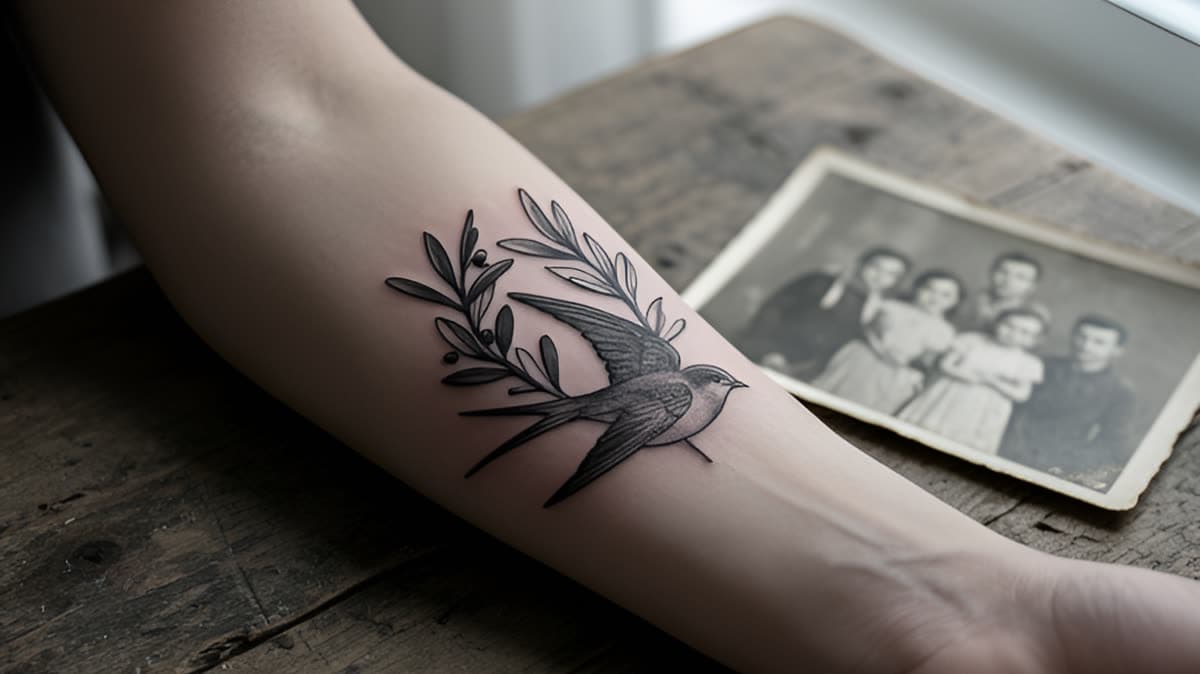
Memorial Tattoos: Carrying a Loss in a Meaningful Way
For anyone considering a memorial tattoo in Kyrenia: name, handwriting, portrait and symbol ideas, taking your time, placement, session day and healing.
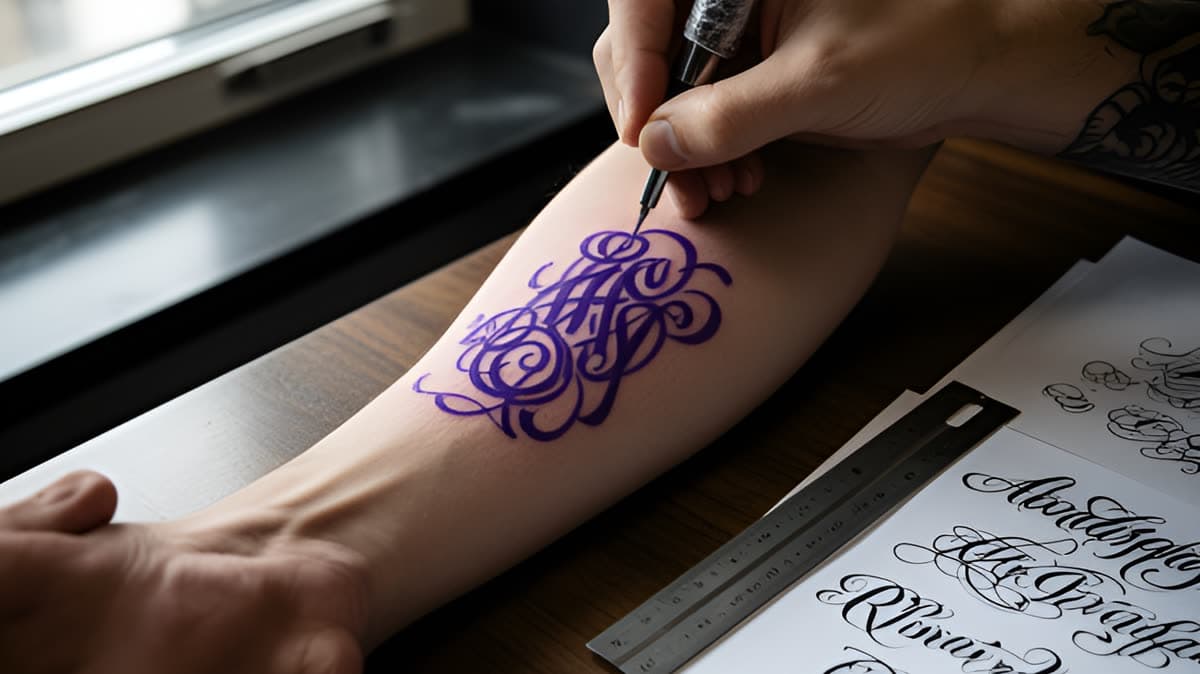
Lettering Tattoos: How to Choose the Font and Size
Before getting a lettering tattoo in Kyrenia: checking the text and spelling, font styles, size and spacing that stay readable, placement and healing tips.

Tattoo Art Portfolio Analysis: A Cyprus Tattoo Ink Guide
How to analyze a tattoo artist's portfolio? As Cyprus Tattoo Ink, find the best tattoo artist with our portfolio review guide.
Your Masterpiece Awaits
Secure your session at the Mediterranean's premier tattoo destination. Connect with us on WhatsApp for a professional consultation and booking.
Reserve Your Session